Should a Christian Have Cosmetic Surgery?
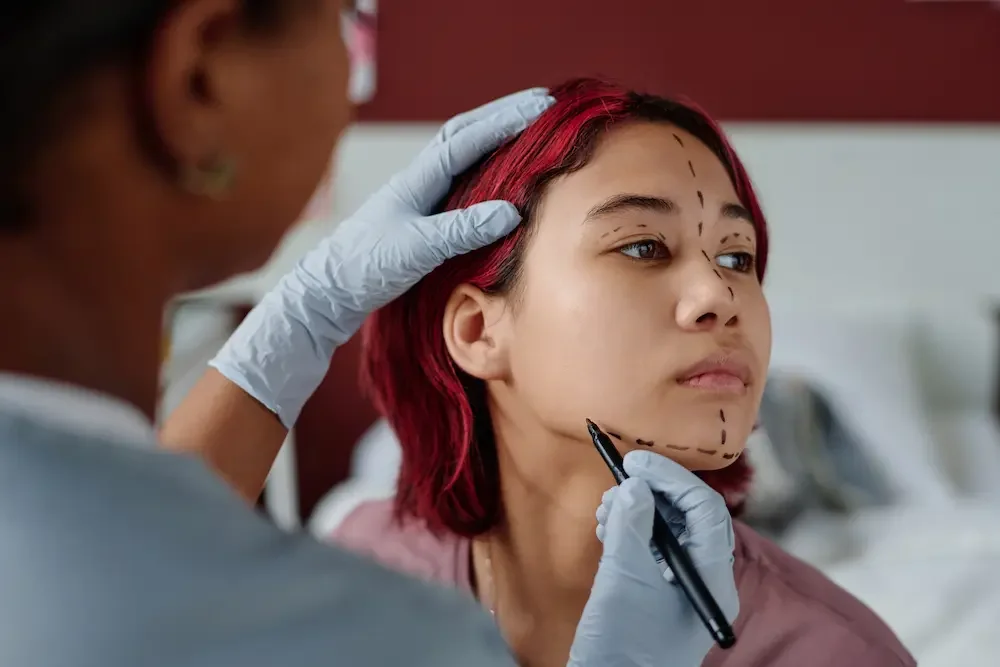
That is a question that falls into a gray area of Christian freedom and conscience, as the Bible does not explicitly address modern elective cosmetic surgery. Most Christian thought views cosmetic surgery as morally permissible but urges believers to examine the motive behind the decision.
The Christian perspective on cosmetic surgery is guided by several core biblical principles related to the body, identity, and inner disposition.
1. The Body is a Temple and a Gift
The Bible teaches that your body is not solely your own; it is the "temple of the Holy Spirit" and was bought with a price (1 Corinthians 6:19-20).
Stewardship: This means Christians are called to be good stewards of their bodies, which includes caring for health and appearance responsibly.
Therapeutic vs. Elective: Surgery performed for therapeutic reasons—to repair disfigurement from injury, congenital issues, disease, or severe weight loss—is generally viewed as a clear exercise of good stewardship and is rarely debated. The controversy arises with purely elective surgery done solely for aesthetic enhancement.
2. The Focus on Inner Beauty and Identity
The main biblical caution against prioritizing physical appearance comes from the New Testament's emphasis on inner character over outward show.
Inner vs. Outer: The Apostle Peter instructs women that their beauty should not be focused on “outward adornment, such as elaborate braiding of the hair and the wearing of gold jewelry or fine clothes, but let your adorning be the hidden person of the heart with the imperishable beauty of a gentle and quiet spirit, which in God’s sight is very precious” (1 Peter 3:3-4).
Identity in Christ: A Christian's identity is found in being a child of God, not in achieving a culture-defined standard of beauty. When the pursuit of physical perfection becomes an obsession or a source of insecurity that distracts from a relationship with God, it becomes a spiritual problem.
3. The Test of the Motive
Because the act of cosmetic surgery itself is not forbidden, the Christian ethical test comes down to the motive—the "why" behind the desire. A Christian should honestly discern whether the desire is rooted in a focus on the self or a need for restoration:
When the motive is Godly (Permissible): The surgery seeks healing or restoration. Examples include overcoming a severe self-consciousness that hinders function or employment (like repairing significant facial defects), fixing a physical defect that causes genuine pain (like breast reduction for back pain), or restoring the appearance of an area to a more normal function or state.
When the motive is Ungodly (Problematic): The desire is rooted in vanity or misplaced worth. Examples include an excessive preoccupation with one's own appearance, seeking validation from others, believing that one's worth and happiness are tied to physical perfection (idolatry of self), or seeking to conform to an impossible cultural ideal driven by envy.
Conclusion
Ultimately, the decision to have cosmetic surgery is a matter of Christian liberty and personal conscience. If the surgery is not financially reckless, medically harmful, or used as a desperate measure driven by an unhealthy sense of insecurity or vanity, it may be permissible.
However, a Christian should always prioritize being transformed into the image of Christ (Romans 12:2) over conforming to the ever-changing images of the world.