

Jesus Christ is the same yesterday and today and forever.
Hebrews 13:8
Walking with Jesus in the Modern World
Jesus isn’t just a figure from the past—He is a present help for your life right now. These reflections bridge the gap between ancient Scripture and your modern world, showing you how to walk with Him through the real challenges and joys of today.
Search Past Articles

Is college a scam?
The Bible encourages the pursuit of wisdom and knowledge (Proverbs 4:7), and the development of skills for one's vocation (Colossians 3:23). The assertion that college is a "scam" is an economic and cultural critique that primarily targets the skyrocketing cost, crushing debt, and perceived lack of job-readiness of many modern universities. For a Christian, the ethical decision on pursuing higher education must balance the biblical mandates of wise stewardship (avoiding crushing debt, Proverbs 22:7), vocation (acquiring practical skills), and worldview formation (knowing God's truth). College is not inherently a scam, but it is a high-risk, high-cost investment that requires extreme prudence and discernment from a Christian perspective.

Is it ethical to own second homes or vacation properties?
The Bible does not prohibit wealth or the ownership of multiple properties, as many righteous figures (e.g., Abraham, Job) were wealthy. However, Christian ethics requires that the ownership of second homes or vacation properties be evaluated against the principles of stewardship, greed, and care for the poor. Owning multiple homes becomes ethically questionable when it is fueled by selfish greed, materialism, or pride (1 Timothy 6:9-10), or when it demonstrably contributes to a housing crisis by hoarding properties needed for basic shelter. If the property is purchased through honest stewardship, does not compromise the owner's commitment to generosity and care for the poor, and perhaps serves a useful purpose (ministry use, future security), it can be ethically permissible.
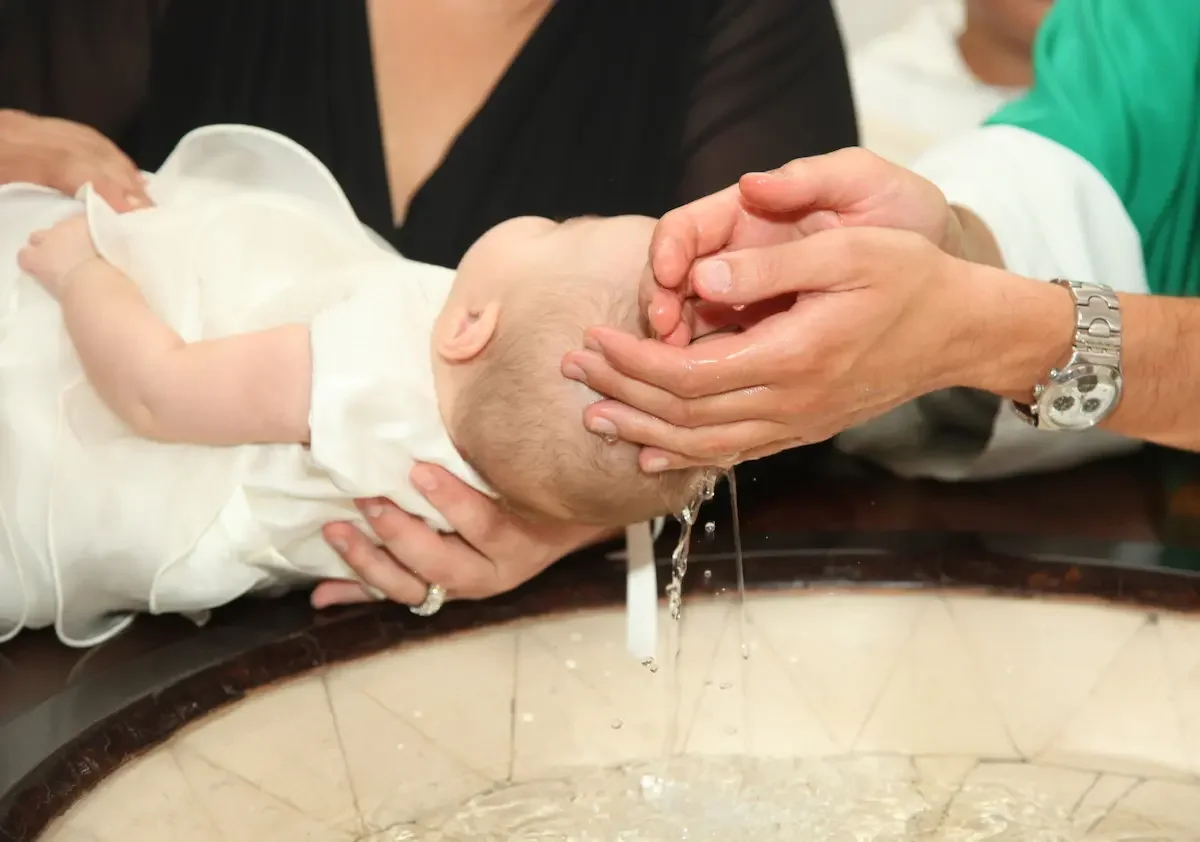
Is infant baptism biblical?
The Bible does not contain an explicit command or a direct example of an infant baptism. However, the ethical and theological justification for the practice, primarily held by Catholic, Orthodox, Lutheran, and Anglican traditions, is based on biblical principles of covenant and inclusion. Proponents argue that infant baptism (Paedobaptism) is the New Covenant counterpart to Old Testament circumcision (Colossians 2:11-12), symbolizing the child’s inclusion in the covenant community of God’s people. Opponents argue that baptism requires a prior, conscious profession of faith and repentance (Acts 2:38), which infants cannot provide, thus necessitating believer's baptism (Credobaptism). The difference is ultimately a matter of interpretation regarding the nature of the New Covenant.

Is it ethical for a Christian couple to choose not to have children?
The Bible presents procreation as the initial, primary blessing and command given to humanity (Genesis 1:28). However, while having children is the ideal, Christian ethics holds that choosing childlessness is not inherently sinful. The ethical decision hinges on the couple's motive and the redirection of their stewardship. If the choice is rooted in selfish materialism, excessive fear, or a rejection of God's authority, it is problematic. If the choice is rooted in prudent stewardship (e.g., due to severe health issues, inability to provide, or a dedication to specific, high-demand ministry) and the couple redirects their time, energy, and resources into spiritual fruitfulness, adoption, or service to other children (spiritual parenting), the decision can be ethically sound and honoring to God.

Is it ethical for a Christian couple to use sex toys, role-play, or record videos during intimacy?
he Bible defines marriage as the exclusive, lifelong covenant between one man and one woman, intended for procreation, companionship, and sexual intimacy (Genesis 2:24; 1 Corinthians 7:3-5). Christian ethics affirm that all sexual activity within the bounds of this covenant is a good gift from God. The ethical standard for married couples considering sex toys, role-play, or recording videos is guided by two principles: 1) Mutual consent and honoring one another's conscience; and 2) Exclusion of outside parties and pornography. As long as the activity is non-abusive, mutually agreeable, and serves to strengthen the intimacy between

Should believers spank their children?
The Bible strongly mandates that parents provide firm, corrective discipline and instruction to their children, often using metaphorical language like "the rod" (Proverbs 13:24; 29:15). For centuries, many Christians have interpreted these verses as a direct command to use physical discipline (spanking). However, modern Christian ethics requires balancing these verses with the commands to not provoke children to anger or despair (Ephesians 6:4) and to prioritize teaching and nurture. While many believers find spanking permissible when done rarely, with love, and without anger, many others argue that the biblical "rod" refers to authoritative correction and teaching, finding non-physical methods (like time-outs and logical consequences) to be more effective and less likely to cause emotional harm. The ethical decision rests on applying wisdom, love, and discernment to seek the child's long-term moral development.

Is it ethical to remain in a marriage without love?
The Bible teaches that marriage is a covenant made before God, not merely a contract based on temporary feelings (Malachi 2:14). While love (defined biblically as sacrificial action and commitment, agape) is commanded within marriage, the ethical foundation for remaining married is the sanctity and permanence of the vow made to God and one's spouse. Remaining in a marriage that lacks emotional love (or phileo) is ethically sound and often necessary, provided the environment is safe, respectful, and not abusive. The Christian's duty is not to wait for love to return, but to actively demonstrate covenant fidelity and work toward recon

Is it ethical to disconnect feeding tubes from vegetative patients?
The Bible affirms the sanctity of human life from conception until natural death. The ethical question of disconnecting a feeding tube from a patient in a Persistent Vegetative State (PVS) is one of the most difficult in bioethics, centering on the distinction between ordinary care and extraordinary means. Most major Christian traditions agree that artificially administered nutrition and hydration (a feeding tube) should be considered ordinary care (basic sustenance) and should generally not be withdrawn. However, if the feeding tube itself causes severe suffering, is failing, or the body is no longer able to assimilate the nutrients (making the feeding tube medically futile), Christian ethics may permit its withdrawal, allowing the patient to die naturally from the underlying condition. The ethical focus is on never intentionally c

Is it ethical to target vulnerable people for conversion?
The Bible commands Christians to share the Gospel with all people (Matthew 28:19). However, Christian ethics strictly prohibits coercion, manipulation, or exploitation in the act of evangelism. Targeting vulnerable individuals—such as the poor, sick, or those experiencing a crisis—is unethical if the purpose is to exploit their desperation by offering material aid (food, money, housing) in exchange for a profession of faith. True Christian evangelism must honor the person's dignity and rely solely on the convicting power of the Holy Spirit and the truth of the Gospel, ensuring that conversion is a free, sincere, and uncoerced choice.

Should Christians support zoos and aquariums?
The Bible commands Christians to be faithful stewards of God’s creation (Genesis 2:15). Supporting zoos and aquariums presents an ethical dilemma, as it balances the benefit of education and conservation against the ethical concern of animal confinement. Christians should ethically support institutions that prioritize animal welfare, species preservation, research, and rehabilitation and strongly oppose any facility that treats animals merely as objects for human entertainment, resulting in distress or cruel confinement. Support should be conditional, driven by the goal of good stewardship and promoting human understanding of God’s marvelous creation.

Is it ethical to hunt for sport rather than food?
The Bible grants humanity dominion over the animal kingdom (Genesis 1:28) and explicitly permits the consumption of meat (Genesis 9:3). However, Christian ethics requires that our use of creation be guided by stewardship, purpose, and respect, not by cruelty or needless killing. Hunting solely for sport (trophy hunting, or killing without using the meat) is ethically problematic for Christians if the primary motive is delight in the killing itself or vain boasting. Hunting is ethically defensible when it serves a clear purpose, such as wildlife management, conservation, or harvesting food, demonstrating prudent stewardship over God's creation rather than gratuitous violence.

Should a child be allowed to undergo gender-affirming surgery?
The Bible emphasizes the sanctity and binary nature of the body (Genesis 1:27) and mandates prudence in making irreversible decisions. Gender-affirming surgery (which includes permanent surgical alteration of primary or secondary sex characteristics) for minors is ethically opposed by most orthodox Christian bodies because it is irreversible, highly invasive, and performed on individuals (children and adolescents) who lack the full cognitive maturity to consent to such life-altering procedures. The Christian response emphasizes addressing the underlying distress (gender dysphoria) through pastoral care, counseling, and spiritual support, rather than through permanent medical interventions that contradict the biological sex assigned by God.

Could a child be damaged by living with two same-sex parents and assume it is the normal family structure?
The concern that a child will be "damaged" or confused by being raised by same-sex parents primarily stems from the belief that the two-parent structure (male and female) is God's ideal and normative design for raising children (Genesis 2:24). While the Church affirms this ideal, social science research consistently shows that a child’s well-being is primarily determined by the quality of nurture, stability, and parental commitment, rather than parental gender or sexual orientation. A child raised in a loving same-sex home will likely view that structure as normal for their family, but this does not preclude them from learning about and respecting other family forms, including the traditional structure affirmed by the Church. The ethical focus remains on providing love and security (James 1:27) above all else.

Is it ethical to assume someone's gender based on appearance?
The Bible teaches that humanity is created as male and female (Genesis 1:27), providing a binary foundation for human existence. Historically, human communication relies on using visual cues (appearance, voice, clothing) to make assumptions about a person's sex and gender identity for the sake of social interaction. However, Christian ethics requires that these assumptions be guided by love, respect, and dignity. It is unethical to insist on an assumption or use a person's appearance to deliberately disrespect, mock, or invalidate their self-identification. The Christian response should prioritize showing honor to all people (1 Peter 2:17) while seeking wisdom on how to communicate truthfully and graciously in a complex cultural landscape.

Should believers support lab-grown meat?
The Bible encourages wisdom, good stewardship, and compassionate care for both humanity and the environment (Genesis 2:15). Lab-grown meat (or cultivated meat) is a scientific innovation that presents an ethical opportunity for Christians to address significant problems associated with industrial animal agriculture, such as animal suffering, resource depletion, and high environmental impact. Supporting cultivated meat is ethically sound if it is pursued with integrity, transparency, and a focus on long-term sustainability and global food security, viewing it as a tool to fulfill the stewardship mandate more effectively.

Should Christians play violent video games?
The Bible does not mention video games, but it demands that Christians pursue purity in thought and reject violence and malice (Philippians 4:8; Galatians 5:19-21). The ethical evaluation of playing violent video games hinges on discernment, conscience, and impact. Such games become problematic if they: 1) Dull the Christian's sensitivity to real-world violence; 2) Cultivate anger, aggression, or lust in the player's heart; or 3) Consume excessive time that ought to be dedicated to spiritual growth or familial duty. While fantasy violence is distinct from real sin, the Christian is called to guard their heart and mind above all else.

Should believers read young adult fiction with witchcraft themes like Harry Potter?
The Bible strongly condemns the real-world practice of occultism, witchcraft, and sorcery (Deuteronomy 18:10-12). However, the ethical evaluation of fictional fantasy like Harry Potter depends on distinguishing between real-life occult practices and literary genre. The key question for Christians is one of discernment and conscience. Reading fictional accounts of magic is ethically permissible if the reader understands the difference between storytelling and spiritual truth, ensuring the fantasy does not compromise their commitment to biblical purity or replace the wonder of the Gospel with secular magic.

Should believers purchase insurance or trust God's provision?
The Bible encourages believers to trust fully in God's sovereign provision (Matthew 6:25-34) while simultaneously commanding prudence, wisdom, and future planning. Purchasing insurance (health, life, home, auto) is not a lack of faith, but a practical act of wise stewardship that mitigates risk and protects assets God has entrusted to us. Insurance aligns with the biblical examples of setting aside resources for uncertain times (Genesis 41:33-36) and fulfills the mandate to care for one's family by guarding against financial catastrophe (1 Timothy 5:8).

Should believers give to every person who asks?
The Bible strongly mandates generosity and care for the needy, often urging radical giving (Luke 6:30). However, Christian giving must be balanced with wisdom, stewardship, and discernment. The Christian has a responsibility to ensure that their giving genuinely helps the recipient and does not enable destructive behavior (e.g., substance abuse) or support fraudulent requests. While the default impulse should be generosity, effective Christian charity involves seeking long-term transformation and focusing resources where they can do the most good, rather than simply dispensing money to every passerby.

Is masturbating a sin?
The Bible does not contain an explicit word or command directly addressing the act of masturbation. However, the ethical evaluation for a Christian rests on the biblical mandate for sexual purity, self-control, and the avoidance of lust. Masturbation is generally considered sinful if it is accompanied by, or leads to, lustful thoughts or consumption of pornography (Matthew 5:28), or if it becomes an addictive habit that replaces intimacy with God or others. The Christian is called to pursue holiness in mind and body and to glorify God in all things (1 Corinthians 10:31).
What Next?
-

DONATION
Partner With Me: Support My Work for a New Generation
-

ACCEPT JESUS
Today is the Day: Accept Jesus and Start Your New Life
-

PRAYER REQUEST
Ask for Prayer: We’re Here to Listen and Pray with You