Is infant baptism biblical?
Introduction
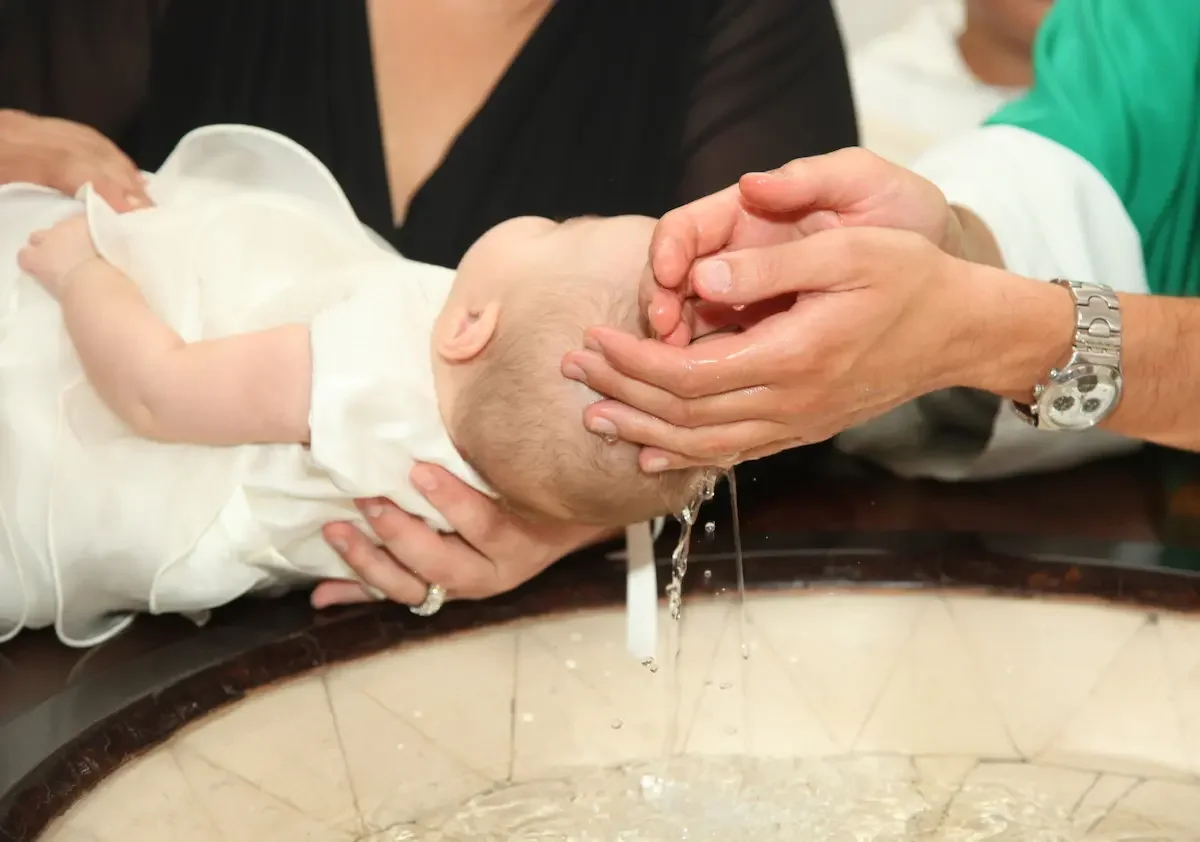
Baptism is an essential Christian ordinance, yet its proper timing is one of the oldest debates in Church history. The question of infant baptism divides Christians into two main camps, both appealing to Scripture:
Paedobaptists (Infant Baptizers): View baptism as a sign of entrance into the New Covenant community.
Credobaptists (Believer's Baptizers): View baptism as an outward symbol of an inward, conscious experience of faith.
Main: The Biblical Arguments for Infant Baptism
Proponents of infant baptism rely on principles of Covenant Theology to bridge the gap between Old Testament practices and the New Covenant community (the Church).
1. Baptism as the New Covenant Circumcision
This is the strongest theological argument for infant baptism.
Circumcision and Covenant: In the Old Testament, circumcision was the physical sign of inclusion into God's covenant people, and it was administered to male infants on the eighth day (Genesis 17:10-14).
The New Testament Parallel: The Apostle Paul connects baptism to circumcision, suggesting that baptism has replaced it as the sign of covenant membership: "In him also you were circumcised with a circumcision made without hands, by putting off the body of the flesh, by the circumcision of Christ, having been buried with him in baptism, in which you were also raised with him through faith in the working of God..." (Colossians 2:11-12).
Theological Conclusion: Since infants were included in the Old Covenant through a physical sign (circumcision), they should be included in the New Covenant through its corresponding spiritual sign (baptism), until they are old enough to confirm that faith (confirmation).
2. The Pattern of Household Baptisms
The New Testament records instances where entire households were baptized.
Acts of the Apostles: Scripture records the baptism of the households of Lydia (Acts 16:15), the Philippian jailer (Acts 16:33), and Crispus (Acts 18:8).
The Theological Conclusion: Paedobaptists argue that the word "household" (oikos) would have naturally included infants and young children. Since the text does not exclude children, and given the covenant pattern of family inclusion, it is inferred that the New Testament church continued the practice of including children in the external sign of the covenant.
3. Jesus’ Welcoming of Children
Jesus’ welcome and blessing of children is used as a supportive argument for inclusion.
Don't Hinder Them: When the disciples tried to keep children away, Jesus said: “Let the little children come to me, and do not hinder them, for the kingdom of God belongs to such as these” (Luke 18:16).
Theological Conclusion: If children are capable of being part of the Kingdom of God, they should not be denied the sign that marks entrance into that Kingdom and community.
The Credobaptist Counter-Argument (Why Many Reject Infant Baptism)
Those who oppose infant baptism argue that the key components of baptism are absent in infants.
Faith and Repentance: Every baptism command in the New Testament is directly tied to a necessary prerequisite: "Repent and be baptized every one of you..." (Acts 2:38). Repentance and faith are actions of a conscious mind, which an infant cannot perform.
A Symbol of Conversion: They argue baptism is an outward, public testimony of an inward transformation—dying with Christ and rising to new life (Romans 6:4). An infant has no personal conversion experience to testify to.
Conclusion
Is infant baptism biblical? While the Bible contains no explicit command or instance of infant baptism, the practice is based on theological principles of covenant inclusion that proponents believe are clearly taught throughout Scripture.
The ethical decision is rooted in theological interpretation: Do you view baptism as a sign of entry into the covenant community (Paedobaptism), or as a seal of personal regeneration (Credobaptism)? Both views are held by sincere Christians who seek to honor Scripture.