Should a Christian Practice Cremation or Burial?
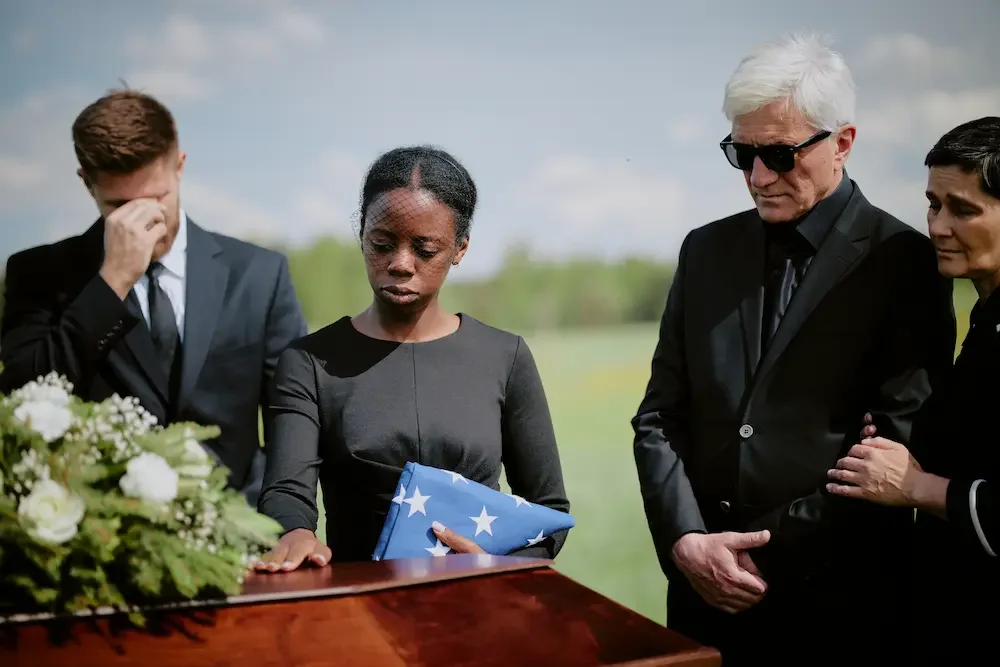
For a Christian, the moment of death is not an end, but a transition into the presence of the Lord, awaiting the resurrection of the body (1 Corinthians 15). Because of this powerful hope, how we treat the body after death is a matter of respect, tradition, and theological symbolism.
The choice between burial and cremation is not a matter of sin, but of Christian testimony and conscience.
1. The Biblical Witness: The Preference for Burial
While the Bible contains no direct command forbidding cremation, it consistently shows that the people of God practiced burial.
The Patriarchs and Prophets: From Abraham purchasing the cave of Machpelah (Genesis 23:9) to Joseph commanding that his bones be carried out of Egypt, the patriarchs showed great care and emphasis on burial.
Jesus’s Example: Jesus Himself was placed in a tomb (Matthew 27:57-60). The fact that the ultimate expression of Christian hope—the resurrection—began with an empty grave, not a pile of ashes, is powerful symbolism for many Christians.
Cremation as Judgment: The few instances of burning a body in the Old Testament were usually associated with judgment (like Achan and his family in Joshua 7:25) or as a necessity to prevent desecration (like King Saul’s remains in 1 Samuel 31:12-13, where the bones were still buried afterward).
For nearly two thousand years of Church history, Christians overwhelmingly chose burial because it aligns with this long biblical tradition.
2. The Theological Heart: Resurrection Hope
The main reason Christians traditionally favored burial relates to the profound doctrine of the resurrection of the body.
The Body Matters: Unlike ancient Greek philosophies that viewed the body as a mere "prison" for the soul, the Bible teaches that the body is good (it was created by God) and that the bodies of believers are the temple of the Holy Spirit (1 Corinthians 6:19). We believe we will receive a new, glorified body one day, and that this earthly body is essential to our full humanity.
Burial as a Seed: The Apostle Paul described the future resurrection of the body using the imagery of planting a seed in the ground:
1 Corinthians 15:42-44: “So is it with the resurrection of the dead. What is sown is perishable; what is raised is imperishable... It is sown a natural body; it is raised a spiritual body.” Burial visually communicates this idea: the body is being temporarily laid to rest—like a seed in the earth—waiting to sprout in a glorious, eternal form when Christ returns. Cremation, by contrast, can symbolically communicate final destruction rather than temporary sleep.
3. The Practical Reality: God’s Power
The most important point to understand is that cremation will not prevent God from resurrecting you.
Whether a body is laid in the ground for a thousand years, lost at sea, or reduced to ashes, God's power is limitless. He created the body from dust in the first place (Genesis 3:19). He does not need every molecule to be in one place to grant a glorified body.
As the Catholic Church stated when it relaxed its ban on cremation in 1963, cremation “does not affect his or her soul, nor does it prevent God, in his omnipotence, from raising up the deceased body to new life.”
Conclusion: A Decision Made in Faith
For a Christian, the choice of burial versus cremation should be made based on conscience, circumstances, and clear intention.
If Burial is Possible, it is Preferable: It is the stronger visual testimony to the Christian hope of resurrection, treating the body with dignity as it rests in the earth.
Cremation is Permissible: If your family chooses cremation due to practical reasons (cost, space, legal requirements), it is not a sin. The deceased believer is still securely with Christ.
The final act, whether burial or cremation, should always be conducted with reverence and with the Christian hope firmly planted in the mind: that death is not the final word, but the doorway to eternal life.