

Jesus Christ is the same yesterday and today and forever.
Hebrews 13:8
Walking with Jesus in the Modern World
Jesus isn’t just a figure from the past—He is a present help for your life right now. These reflections bridge the gap between ancient Scripture and your modern world, showing you how to walk with Him through the real challenges and joys of today.
Search Past Articles

Should Christians support tariffs to protect domestic jobs?
The Bible does not offer a specific economic model like tariffs, but it provides principles that Christians must use to evaluate them: justice, care for the poor, and global stewardship. Tariffs—taxes on imported goods—are intended to protect domestic industries and jobs but can lead to higher prices for consumers (often hurting the poor) and retaliation that harms global trade. A Christian's support for such policies should be guided by a dual concern: balancing the stewardship of national economy with the ethical imperative to care for global neighbors and avoid economic practices that harm the most vulnerable.

Should Christians support reparations for historical injustices?
The Bible commands Christians to seek justice and restitution for victims of wrong, especially the oppressed (Micah 6:8). This principle supports the concept of reparations—the repair of past harm—as a valid mechanism for addressing historical injustices like slavery and systemic oppression. However, supporting a specific policy is a matter of wisdom and practical application, not biblical command. Christians must evaluate any reparations proposal based on its effectiveness in achieving true reconciliation, its fairness in implementation, and its ability to empower future generations without relying on resentment or entitlement.

Why do churches sometimes cover up abuse or corruption?
The shocking reality of abuse and corruption cover-ups in churches is always due to human sin, not biblical teaching. These failures stem from institutional self-preservation, fear of scandal, and a distorted view of grace and authority. While the Bible commands transparency, truth, and protection of the vulnerable, covering up sin is a direct violation of biblical justice and the command to hold leaders accountable (1 Timothy 5:19-20). A healthy church prioritizes the victim's truth and God's justice above the institution's reputation.

Should Christians support socialism or capitalism?
The Bible does not endorse a specific political or economic system like socialism or capitalism. Instead, it provides timeless moral and economic principles that critique the flaws of both. Christians are called to uphold private ownership (Exodus 20:15), diligent work, and free enterprise (Matthew 25:14-30), which align with capitalist ideas, while simultaneously demanding radical generosity, justice for the poor, and an absolute rejection of materialism and greed (Luke 12:15), which often inform critiques of capitalism. The Christian’s primary loyalty must be to the principles of God's Kingdom, not to any man-made system.

What does the Bible say about police, justice, and authority?
The Bible establishes that all civil authority, including police and government, is instituted by God to maintain order, restrain evil, and dispense justice (Romans 13:1-4). Christians are commanded to submit to these authorities, recognizing their role as God's "servants" who bear the "sword." This submission is balanced by the call for Christians to actively pursue biblical justice (Micah 6:8) and to obey God over man when civil law contradicts divine law (Acts 5:29).

Should Christians Support the Death Penalty?
Christians hold divided views on the death penalty, rooted in two biblical tensions. Support is often based on the State's authority to execute justice (Romans 13:4) and the Noahic Covenant (Genesis 9:6). Opposition is based on the sanctity of life, the irreversibility of error, and Christ's command to prioritize mercy and redemption (John 8:7). All Christians must unite to demand judicial fairness and preach the Gospel's power to transform even the worst offenders.

How Should a Christian Respond to the Black Lives Matter Movement?
A Christian response to the BLM movement must affirm the sacred value of all Black lives (the Imago Dei) and the biblical mandate to act justly (Micah 6:8). This requires discerning between the need for justice and secular philosophies that contradict the universal nature of sin (Romans 3:23) and the truth that identity is ultimately in Christ (Galatians 3:28). The Christian's primary response is the ministry of reconciliation (2 Corinthians 5:18), exercised through listening, lamenting, and advocating for righteous systemic change.

Should a Christian Wear Fast Fashion Clothing?
A Christian should be cautious of fast fashion due to its conflict with biblical principles of justice and stewardship. The low cost often relies on exploiting workers and withholding fair wages (James 5:4; Deuteronomy 24:14–15), which God strongly condemns. Furthermore, it encourages excessive consumerism (Hebrews 13:5) and violates the mandate to care for creation (Genesis 2:15). Believers should prioritize quality, ethical sourcing, and second-hand alternatives.

Should a Christian Agree with Critical Race Theory?
A Christian must approach Critical Race Theory (CRT) with discernment. While CRT’s focus on systemic injustice aligns with the prophets who condemned institutional sin (Isaiah 3:14), its philosophical roots conflict with core doctrine. Specifically, the Bible teaches identity in Christ transcends race (Colossians 3:11), and sin is a universal heart condition (Romans 3:23), not just a structural power problem. The Christian mandate is to seek reconciliation through the Gospel (2 Corinthians 5:18).
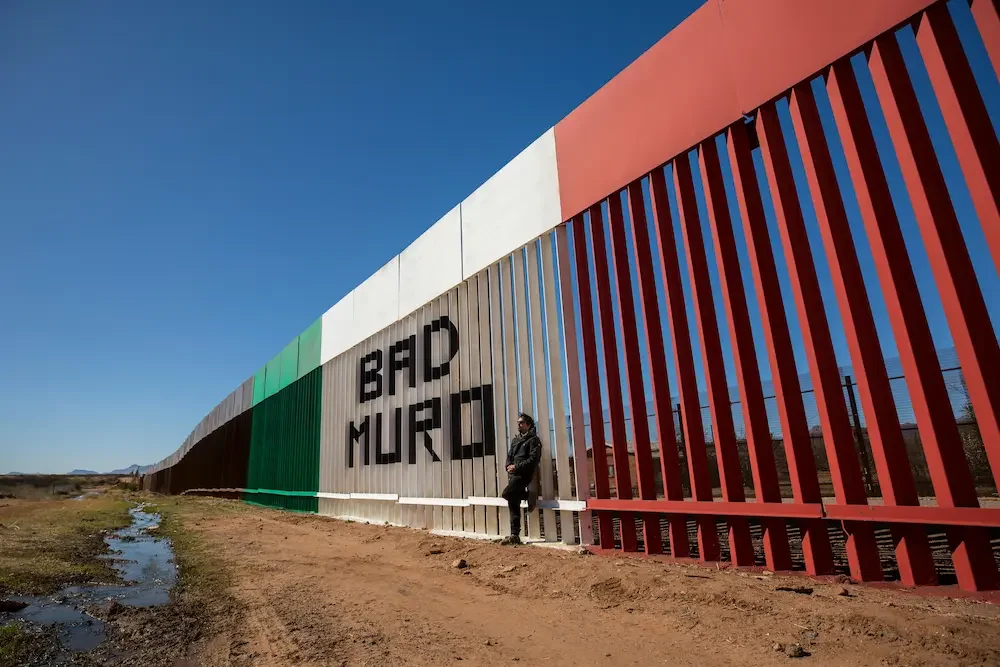
Should a Country Have Borders?
From a Christian perspective, a country should have borders because they define the government's area of responsibility and its duty to maintain order and security (Romans 13:1). This aligns with God's historical establishment of nations (Acts 17:26), though borders must be managed with compassion (Leviticus 19:34).

Does the Bible Talk About Climate Change?
The Bible does not mention climate change by name, but it lays a clear foundation for Creation Care. Christians are called to be stewards, not owners, of the earth (Genesis 2:15; Psalm 24:1). Protecting the planet is an act of worship and justice, especially for the poor, and a reflection of God’s own love for all His creation (Revelation 11:18; Romans 8:22).
What Next?
-

DONATION
Partner With Me: Support My Work for a New Generation
-
ACCEPT JESUS
Today is the Day: Accept Jesus and Start Your New Life
-

PRAYER REQUEST
Ask for Prayer: We’re Here to Listen and Pray with You