Does the Bible Talk About Climate Change?
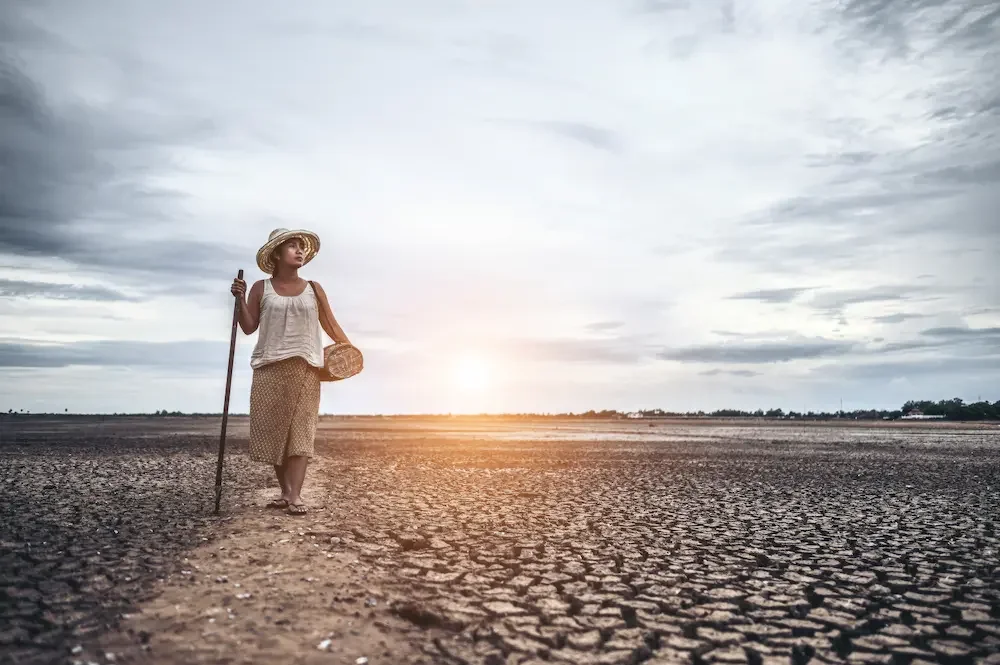
While the Bible does not use the term "climate change," it establishes clear, foundational principles about the relationship between humanity and the earth. These principles form the basis for why many Christians view environmental responsibility as a core part of their faith.
1. The Principle of Stewardship, Not Ownership
The most fundamental concept is that the Earth belongs entirely to God, and humans are simply appointed as managers or caretakers.
The creation account makes it clear that God is the owner: “The earth is the Lord’s, and everything in it, the world, and all who live in it” (Psalm 24:1).
The Mandate to "Work and Keep": In the Garden of Eden, God placed Adam "to work it and take care of it" (Genesis 2:15). The Hebrew word translated as "keep" (sˇaˉmar) means to watch, guard, or protect. This establishes humanity's role as a servant leader, or a steward, not a destructive sovereign. The goal is to sustain God's creation, not exploit it.
The Land Rest Principle: Old Testament law included practices like the Sabbath Year, where the land was commanded to lie fallow every seven years (Exodus 23:10-11). This demonstrated that the land, like people, needs rest and renewal, reinforcing the idea that it is God's property and should not be exhausted for endless human profit.
2. The Principle of Interconnectedness and God’s Delight
The Bible declares that God values all of creation, not just humanity.
After each creative act, God declares that what He made was "good," and after completing all of it, He saw that it was "very good" (Genesis 1:31). This intrinsic goodness means creation has value simply because God made it, independent of its usefulness to humans.
God's Provision for All Life: The Psalms describe in vivid detail God's care for every creature, including feeding the birds, watering the mountains, and sustaining the life of wild animals (Psalm 104:10-24). Jesus echoes this sentiment, asking, “Look at the birds of the air; they neither sow nor reap nor gather into barns, and yet your heavenly Father feeds them. Are you not of more value than they?” (Matthew 6:26). Our attention to creation should mirror God’s own care and love for what He has made.
Creation Groans: The Apostle Paul connects the suffering of humanity to the suffering of the natural world, saying that “the whole creation has been groaning together in the pains of childbirth until now” (Romans 8:22). This verse is often interpreted to mean that creation suffers from the consequences of human sin and the Fall, which includes environmental degradation.
3. The Principle of Justice and Accountability
The Bible connects the mistreatment of the earth directly to moral and social consequences. Because the poor and vulnerable are often the first and hardest hit by environmental damage, creation care is also an issue of social justice.
Judgment on the Earth Destroyers: The final book of the Bible includes a profound warning about those who harm the planet: “The nations were angry, and your wrath has come... and for destroying those who destroy the earth” (Revelation 11:18).
Consequences of Defiling the Land: Prophetic books frequently link Israel's disobedience, including unjust social practices, to drought, famine, and the land becoming defiled (Jeremiah 2:7; Isaiah 24:5-6). While these were often immediate, supernatural judgments, they establish a biblical connection between human action (or inaction) and environmental degradation.
In summary, while the Bible does not predict greenhouse gas emissions, its mandate for Stewardship (Genesis2:15), its declaration of God’s Sovereignty (Psalm24:1), and its call for Justice (Revelation11:18) provide a robust theological framework that calls Christians to be responsible leaders in protecting the planet from all forms of harm, including climate change.