
Stories of the Bible
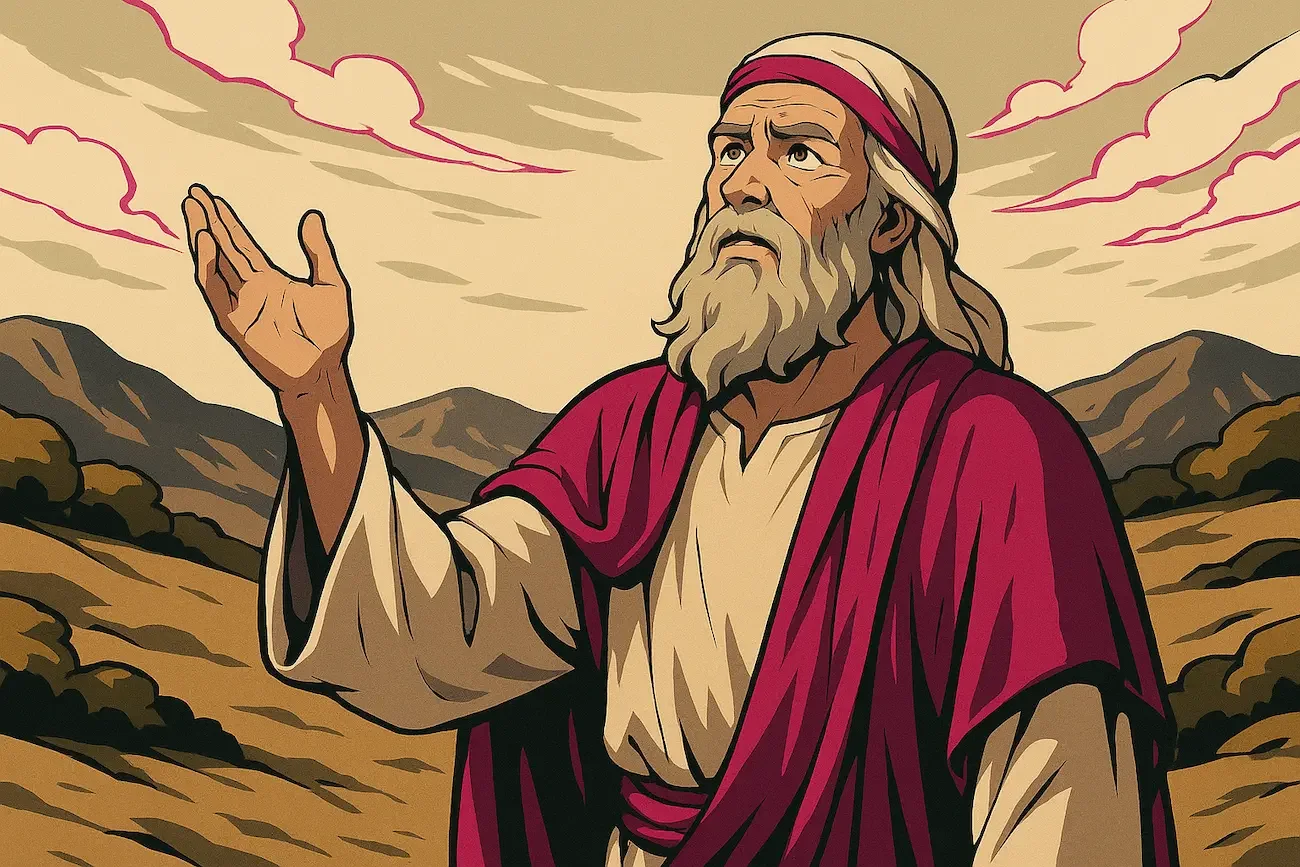
Exploring the Story of Faith, Promise, and the Beginning of God's Chosen People.
The Call of Abraham:
The Birth of God's Great Covenant
Lesson 6: The Call of Abraham
From Ur to the Unknown: The Journey of Faith
The story of the Call of Abraham, found primarily in Genesis chapters 12–15, is the starting point of the story of Israel and the foundation of God’s plan of redemption. It reveals God’s method for dealing with the scattered, wicked world after Babel: by choosing one family through whom He would bless all nations.
I. The Command and the Promise
Abram was living in Ur of the Chaldeans, a prosperous, cosmopolitan city. While his family was steeped in idolatry, God singled him out. The call of God was both a command and a covenant promise:
The Command: “Go from your country and your kindred and your father’s house to the land that I will show you.” (Genesis 12:1) This required radical separation from his past and total trust in God’s direction.
The Sevenfold Promise (The Abrahamic Covenant):
I will make you into a great nation.
I will bless you.
I will make your name great.
You will be a blessing to others.
I will bless those who bless you.
I will curse those who dishonor you.
In you, all the families of the earth shall be blessed. (Genesis 12:2-3)
The final promise—that all families would be blessed through him—is the link to Jesus Christ, the ultimate descendant of Abraham who brings salvation to the entire world.
II. The Act of Faith
Abram’s response to this call is the model of biblical faith: “So Abram went, as the Lord had told him.” (Genesis 12:4)
Journeying by Faith: Abram traveled hundreds of miles to a land he had never seen (Canaan, later Israel). When he arrived, God appeared to him again and confirmed the promise: “To your offspring I will give this land.” (Genesis 12:7) Abram’s immediate response was to build an altar and worship God, establishing a pattern of acknowledging God's ownership and provision.
Challenges to Faith: Abram’s faith was not perfect. In times of famine and fear, he sometimes compromised, most notably when he twice pretended his wife Sarai was his sister, revealing his human weakness. This shows us that faith is a journey with setbacks, not a perfect, one-time decision.
III. The Covenant is Confirmed
Later, when Abram was discouraged because he was aging and childless, God reaffirmed the promise and made it formal in a powerful visual scene.
A Seed Like the Stars: God took Abram outside and told him to count the stars, saying, “So shall your offspring be.” The text then makes one of the most important declarations in all Scripture: “And he believed the Lord, and he counted it to him as righteousness.” (Genesis 15:5-6) This established the central Christian truth that salvation comes by faith, not by works or performance.
The Blood Covenant: God then made a solemn, binding covenant with Abram. While Abram was in a deep sleep, God passed between the divided animal pieces (a common practice symbolizing that the party who breaks the covenant should suffer the fate of the animals). Critically, God alone passed through, signifying that the covenant was entirely dependent on God's faithfulness, not on Abram's imperfect performance.
Applying the Truth Today
The story of Abraham is the foundation of our spiritual heritage. It teaches us that God calls people out of darkness and idolatry, not because they are worthy, but because of His own gracious purpose.
We are all called to follow God by faith into the "unknown," trusting that His promises—which culminate in Christ—are absolutely certain. When we struggle, we remember that we, too, are made righteous not by our actions, but by simply believing God and His promises.
Reflection Questions for Your Journey:
The Call to Go. What "Ur of the Chaldeans" (source of comfort, security, or familiar sin) is God asking you to leave behind to follow Him today?
Counting it as Righteousness. How does the truth that God “counted [Abram’s belief] to him as righteousness” free you from feeling like you must earn God's love or salvation?
The Blessing to Nations. Since you are now a spiritual descendant of Abraham through Christ, how are you actively seeking to be a “blessing to the families of the earth” through your words and deeds?
Your Reading Guide
To grasp the command and promise, read Genesis 12:1–4. Next, focus on the declaration of righteousness through faith in Genesis 15:5–6. Finally, be encouraged by God’s unilateral confirmation of the covenant in Genesis 15:17–18.