
Module 4: History: The United Kingdom
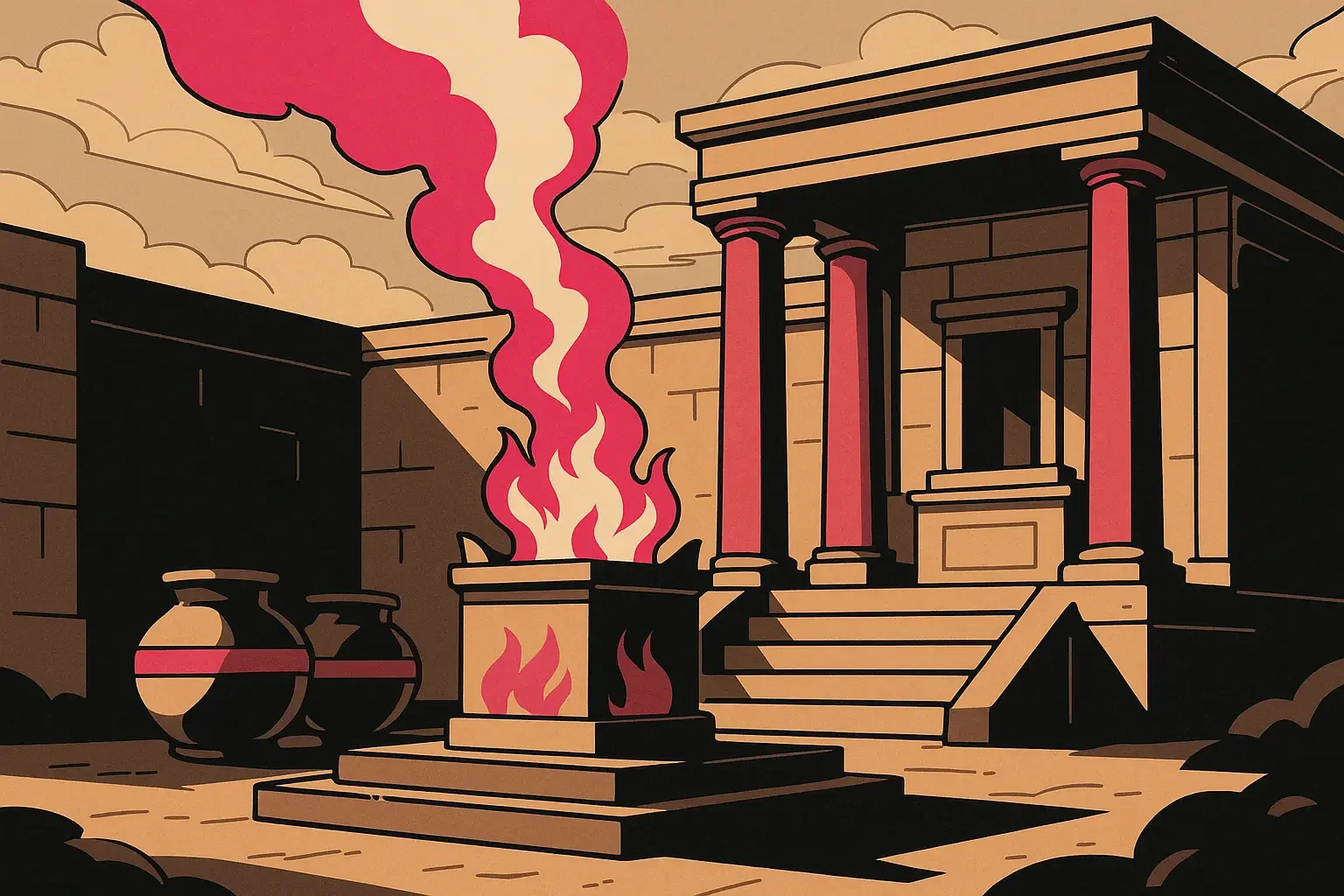
Remembering the Covenant: Adam to David from a Priestly View.
THE TEMPLATE BLUEPRINT:
Restoring Worship and Heritage
Lesson 13 of 66: The Book of 1 Chronicles
Heritage and Worship: A Priestly View of History
The Book of 1 Chronicles is not a simple repeat of 1 and 2 Samuel. It was written after the Babylonian Exile to a people who had returned to Jerusalem defeated and discouraged.
The goal of the Chronicler (the writer) was to offer hope and identity by confirming three things: their ancestry was intact, their relationship with God was centered on the Temple, and the Davidic Covenant (the eternal promise of a king) was still secure. The book achieves this by presenting history through a priestly lens, focusing on proper worship rather than political messiness.
I. Reaffirming the Heritage (Chapters 1–9)
The book begins with an unprecedented nine chapters of genealogies, tracing the lineage from Adam to the present day. This was a critical step for the returning exiles. After decades in Babylon, they needed proof that they were still God's people.
By meticulously listing the families, the Chronicler reassures them that their covenant identity is unbroken. The genealogies focus heavily on the tribe of Judah (from which David came) and the tribe of Levi (the priests), cementing the importance of the kingly line and the Temple worship system.
II. The Reign of King David (Chapters 10–29)
After quickly noting the tragic death of Saul, the Chronicler dedicates the rest of the book to the reign of King David. However, this account is highly selective.
The book intentionally skips all the political and personal failures found in 2 Samuel—there is no mention of David's adultery, murder of Uriah, or the subsequent civil war. Instead, it focuses almost exclusively on David’s spiritual achievements:
Conquering Jerusalem: The establishment of the capital city.
Bringing the Ark: The solemn, sacred procession of the Ark of the Covenant into Jerusalem, emphasizing the proper order of the Levites and the worship protocols (1 Chronicles 15).
Temple Preparation: David's greatest spiritual contribution is detailed here. He was not permitted to build the Temple, but he spent years gathering an immense supply of materials (gold, silver, bronze) and, crucially, organizing the thousands of Levites and priests into specific, perpetual duties for Temple service (1 Chronicles 23–26). David is presented as the architect of Israel’s formal worship life.
By focusing on these events, the Chronicler shows the returning people that the structure for worship—the priesthood, the Levites, and the blueprint for the Temple—was divinely established by David.
This empowered the discouraged exiles to immediately restart the Temple worship, knowing they were following an ancient, sacred tradition. The book concludes with David commissioning his son Solomon to build the Temple, demonstrating David's legacy as the true founder of Israel's ritual devotion.
Applying the Truth Today
1 Chronicles teaches the overwhelming importance of worship and spiritual continuity. It reminds us that our primary identity is found in God's ongoing promises (the Covenant) and that the faithful are called to prioritize God's presence and proper worship above all else. Like the exiles, we are reminded that our identity is secure because of the unbreakable promises made to the King (Jesus).
Reflection Questions for Your Journey
The exiles needed to be reminded of their heritage. What specific parts of your spiritual ancestry (God's past faithfulness, specific biblical promises) do you need to actively remember today to find strength and hope?
David spent years preparing for the Temple. What "preparation" (planning, organizing time, or gathering spiritual materials) is God calling you to do today to better facilitate your personal worship?
The book focuses on the priests and Levites. How does the idea of an organized, purposeful life of worship inform how you dedicate your time and resources to God today?
Your Reading Guide
To understand the unique perspective of this book, begin by reading the moving scene where David brings the Ark of the Covenant into Jerusalem and institutes a spontaneous act of worship in 1 Chronicles 16:7–12. Next, focus on David’s ultimate act of preparation: read his instructions to Solomon about the importance of the Temple in 1 Chronicles 22:6–13.
Finally, read David's public declaration and prayer of thanksgiving at the end of his life in 1 Chronicles 29:10–14, focusing on the acknowledgment that all things—including the wealth for the Temple—come from God.