
Module 8: Minor Prophets (The Largest Module)
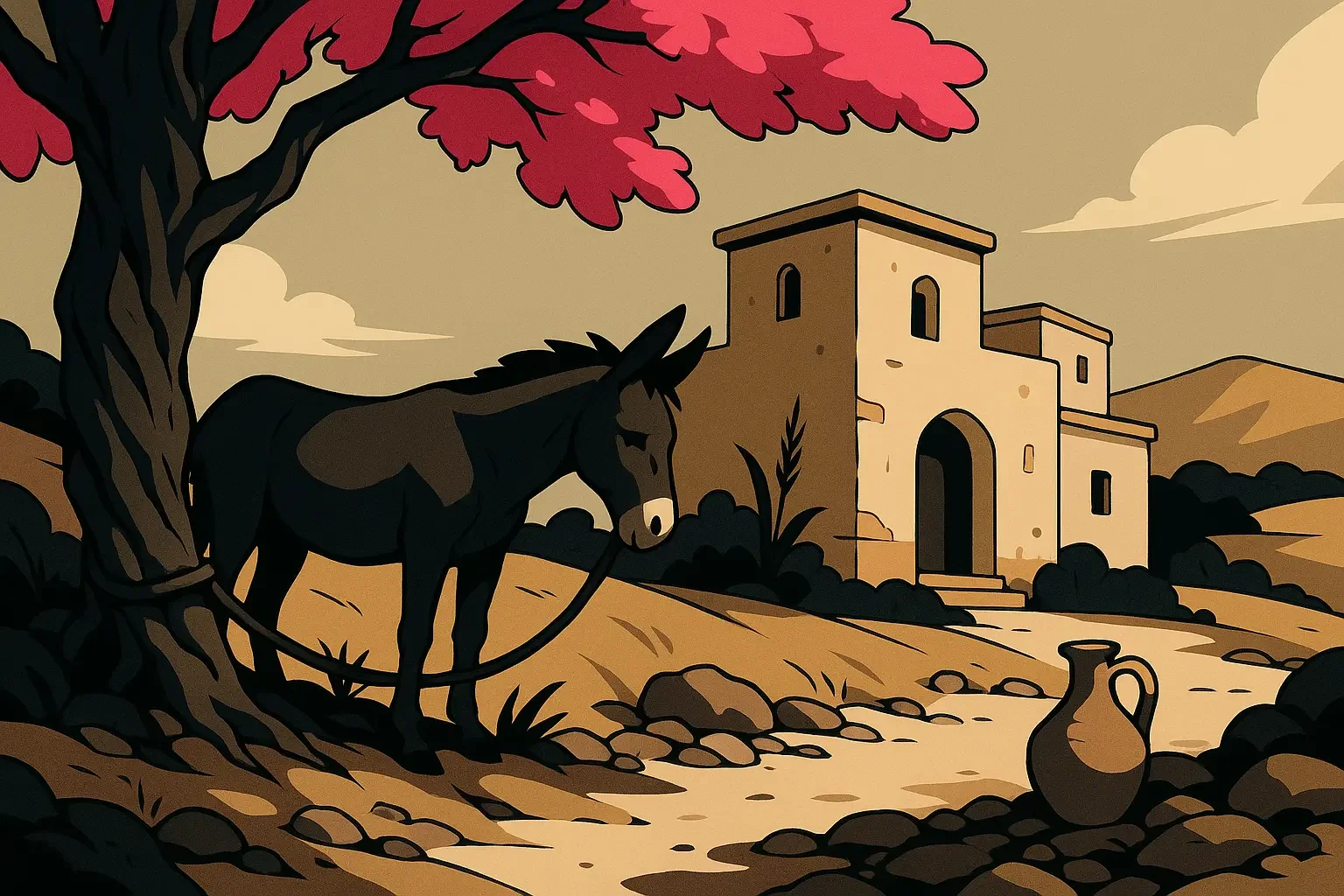
The Prophet’s Painful Marriage as a Living Parable of God’s Redeeming Love.
THE LOVE THAT WILL NOT LET GO:
Faithfulness to the Unfaithful
Lesson 29 of 66: The Book of Hosea
God's Consuming Passion: The Covenant Love of a Spurned Husband
The Book of Hosea begins the section of the Bible known as the Minor Prophets. Hosea ministered to the Northern Kingdom of Israel (Ephraim) in the final decades before its collapse to Assyria (c. 750–715 BC). The nation was enjoying economic success but was spiritually rotten, engaging in rampant idolatry and political corruption. To convey the gravity of Israel’s sin, God commands Hosea to live out the central message of his prophecy in his own heartbreaking life.
I. The Living Parable of Love and Adultery (Chapters 1–3)
God orders Hosea to marry a woman named Gomer, who is described as a "wife of whoredom" (Hosea 1:2). This command is a sign-act, turning Hosea's marriage into a public, painful parable of God’s covenant relationship with Israel.
Spiritual Adultery: Just as Gomer left Hosea to pursue other lovers, Israel had abandoned the Lord—her faithful Husband—to pursue the Canaanite god Baal and rely on foreign political alliances. This spiritual betrayal is consistently called adultery and harlotry throughout the book.
The Names of Judgment: The children born to Hosea and Gomer are given symbolic names representing God’s coming judgment on Israel: Jezreel (God will scatter), Lo-Ruhamah (No Mercy), and Lo-Ammi (Not My People).
Chapter 3 records the most powerful act of redeeming love: Gomer leaves Hosea and falls into servitude. God then commands Hosea to go and buy her back from slavery, demonstrating that God's love does not just condemn sin, but actively pursues and purchases the redemption of the sinner, even at great cost (Hosea 3:1–5).
II. Israel’s Sin and God’s Pleading (Chapters 4–13)
The bulk of the book consists of a heartbroken, tender, yet fierce indictment of Israel's unfaithfulness. God passionately pleads with His people, exposing their hypocrisy and moral failure:
The Lack of Knowledge: Hosea declares, “My people are destroyed for lack of knowledge…” (Hosea 4:6). This "knowledge" is not academic information, but a deep, personal, covenant relationship that should result in faithfulness and justice.
The Broken Heart: God expresses the profound tension within His own nature: He must judge sin, but His heart is turned toward compassion. He asks, "How can I give you up, O Ephraim? How can I hand you over, O Israel?" (Hosea 11:8). This revelation shows the depth of God's hesed—His unfailing covenant love—which wrestles with the necessity of justice.
III. The Promise of Restoration (Chapter 14)
The book ends not in condemnation, but in a final, sweeping call to repentance and a magnificent promise of restoration. God pledges to heal Israel's spiritual diseases and return them to prosperity and faithfulness.
“I will heal their apostasy; I will love them freely, for my anger has turned from them.” (Hosea 14:4)
The promise is not just for a return to the land, but for a transformed relationship, where the people will be rooted in God's love and flourish like a beautiful lily and a sturdy cedar. Hosea’s message guarantees that though judgment is certain, God’s covenant love is eternal and will ultimately prevail.
Applying the Truth Today
Hosea provides the most vivid image in the Old Testament of God's unconditional love. It teaches us that our own sins—when we pursue worldly idols or compromise our faith—are spiritual adultery against the God who redeemed us. But like Gomer, we are always pursued. The book challenges us to respond to God’s persistent, redeeming love with genuine repentance and an intentional return to faithfulness, knowing that His mercy is always available to heal our deepest wounds.
Reflection Questions for Your Journey:
Spiritual Adultery. What "lovers" or idols (habits, pursuits, or dependencies) have you put before your relationship with God? How can you symbolically "buy yourself back" from that slavery?
The Heart of God. Hosea shows God's inner conflict between justice and compassion. How does this passage make the love of God feel more personal and passionate to you?
Returning to the Lord. The book ends with a plea to repent. What is one practical step you can take today to "return" to the Lord and deepen your knowledge (intimacy) of Him?
Your Reading Guide
To grasp the living parable, read the dramatic conclusion to the Hosea-Gomer narrative in Hosea 3:1–5. Next, read God’s famous, heartbroken plea of love in Hosea 11:8–9. Finally, anchor your hope in the promise of full restoration in Hosea 14:4–7.