
Module 2: The Torah: Law & Redemption
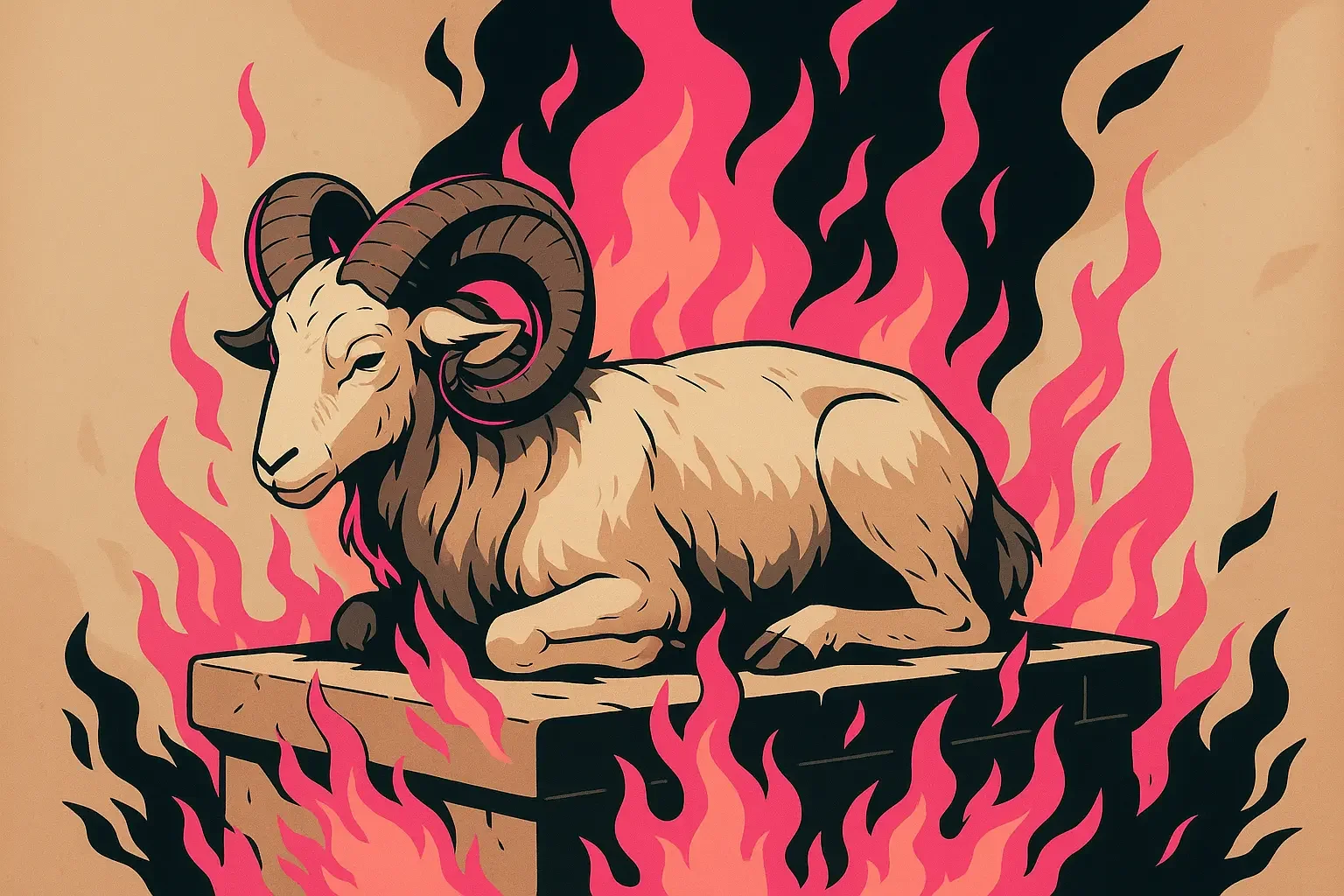
Sacrifice, Priesthood, and the Path to Atonement.
THE HOLINESS CODE:
How to Meet a Holy God
Lesson 3 of 66: The Book of Leviticus
The Holiness Bridge: How to Meet God at the Tabernacle
Leviticus is the urgent, necessary instruction manual that answers the problem left at the end of Exodus. God had saved Israel and His glorious presence filled the Tabernacle, but now, the people realized a terrifying truth: an unholy people cannot live safely near a holy God.
Leviticus sets the rules for how Israel could worship, draw near, and maintain their relationship with the Almighty without being consumed by His holiness. This book is a bridge that connects the act of redemption (Exodus) with the requirements of relationship (Holiness).
I. The Path to Restoration: The Sacrificial System (Chapters 1–17)
The first great question was: How does a sinful person make amends with a perfect God? The answer was the Sacrificial System, a clear path God provided for Atonement (covering sin). This system was not designed to make people perfect, but to provide forgiveness so that the relationship could continue.
God established five main offerings, each with a specific purpose—from the voluntary Burnt and Peace Offerings to the mandatory Sin and Guilt Offerings.
These sacrifices all shared a central, difficult principle: "the life of the flesh is in the blood" (Leviticus 17:11). The death of an innocent animal was a substitution, standing in the sinner's place to pay the penalty. It was a constant, visual reminder of the cost of sin.
To manage this complex system, God ordained the Priesthood, with Aaron (Moses' brother) and his sons mediating between God and the people. The absolute seriousness of serving a holy God was dramatically revealed when Aaron's sons, Nadab and Abihu, used "unauthorized fire" in the Tabernacle and were immediately struck dead (Leviticus 10:1–3). This shocking event underscored that God cannot be approached casually or on human terms.
The entire ritual system culminated in the Day of Atonement (Yom Kippur) (Leviticus 16). This was the most sacred day of the year, providing a corporate cleansing for the entire nation. The High Priest would enter the Most Holy Place (the only time and place anyone was allowed to do so) and perform two critical, powerful acts.
First, he would sacrifice a bull to cover his own sins and a goat to cover the nation's sins. Second, he would lay the sins of the people onto a second goat—the scapegoat—which was then released into the wilderness. This powerful dual act demonstrated that sin was not only paid for but also permanently removed from the community.
II. The Practice of Holiness: Living in God's Presence (Chapters 18–27)
If the sacrifices were the first step to restore the relationship, the second step was living a life that honored God. This section, often called the Holiness Code, extends the requirement of holiness from the sanctuary out into every detail of daily life.
The core command is the great goal: “You shall be holy, for I the Lord your God am holy” (Leviticus 19:2). God wants His people to be set apart, distinct from the corruption and pagan practices of the surrounding nations.
This call to holiness was not merely ceremonial; it was profoundly practical:
Social Justice and Ethics: The Law mandated fairness, prohibited gossip, and commanded them to "love your neighbor as yourself" (Leviticus 19:18). It required them to care for the vulnerable, instructing farmers to leave the corners of their fields unharvested so the poor and the foreigner could glean the leftovers. This ensured their society reflected God's character of compassion and justice.
Time and Rhythm: God established the seven major annual Feasts and Festivals (Passover, Pentecost, Atonement, etc.) to form a sacred calendar, forcing the nation to pause and remember God’s mighty acts of redemption. This included the mandatory rest of the Sabbatical Year (resting the land every seventh year) and the spectacular Year of Jubilee (the 50th year), where debts were cancelled and land was returned to its original families (Leviticus 25). These laws demonstrated God’s ultimate ownership and provided a profound check on wealth accumulation and permanent poverty.
Purity Laws: The regulations regarding clean and unclean foods (dietary laws) and bodily discharges were not about hygiene; they were about ritual purity. They constantly reminded the people that sin and defilement existed everywhere and that maintaining their relationship with God required constant attention to boundaries and cleansing.
The overarching lesson of Leviticus is that holiness is not a suggestion; it is the natural requirement for any person who has been redeemed and called into the presence of a holy God.
Applying the Truth Today
Leviticus is challenging to read, but it provides the clearest picture of God’s perfect holiness and the terrible seriousness of sin. Ultimately, this book shows us why we need a Savior.
Every drop of blood spilled, every priest ordained, and every law written in Leviticus points directly to the finished work of Jesus Christ. He is our perfect, permanent High Priest, and His sacrifice was the ultimate, once-for-all payment that finally ended the need for any animal sacrifice (Hebrews 10:10).
Reflection Questions for Your Journey:
The purpose of the Law was to make Israel distinct. What specific habits or choices are you making in your life that set you apart as someone who belongs to a holy God today?
The priests' strict obedience was vital. What does the story of Nadab and Abihu (Leviticus 10) teach you about approaching God with reverence and seriousness, even today?
The scapegoat removed sins. Reflect on the moment you accepted Christ. How does knowing Jesus perfectly fulfilled the role of both the sacrifice and the scapegoat give you confidence in the complete forgiveness of your sins?
Your Reading Guide
This guide highlights the key sections to focus on when you open your Bible.
Read the Key of Atonement: Focus on Leviticus 17:10–11 to understand the foundational principle of why sacrifice was necessary for forgiveness.
Understand Holiness: Read the famous command in Leviticus 19:1–18. Note how holiness applies not just to worship, but to how you treat your neighbors and conduct your business.
Appreciate the Climax: Read the core instructions for the Day of Atonement (Leviticus 16:20–22), focusing on the dramatic action of the scapegoat. This image gives powerful clarity to the complete removal of your sin through Christ.