
Module 8: Minor Prophets (The Largest Module)
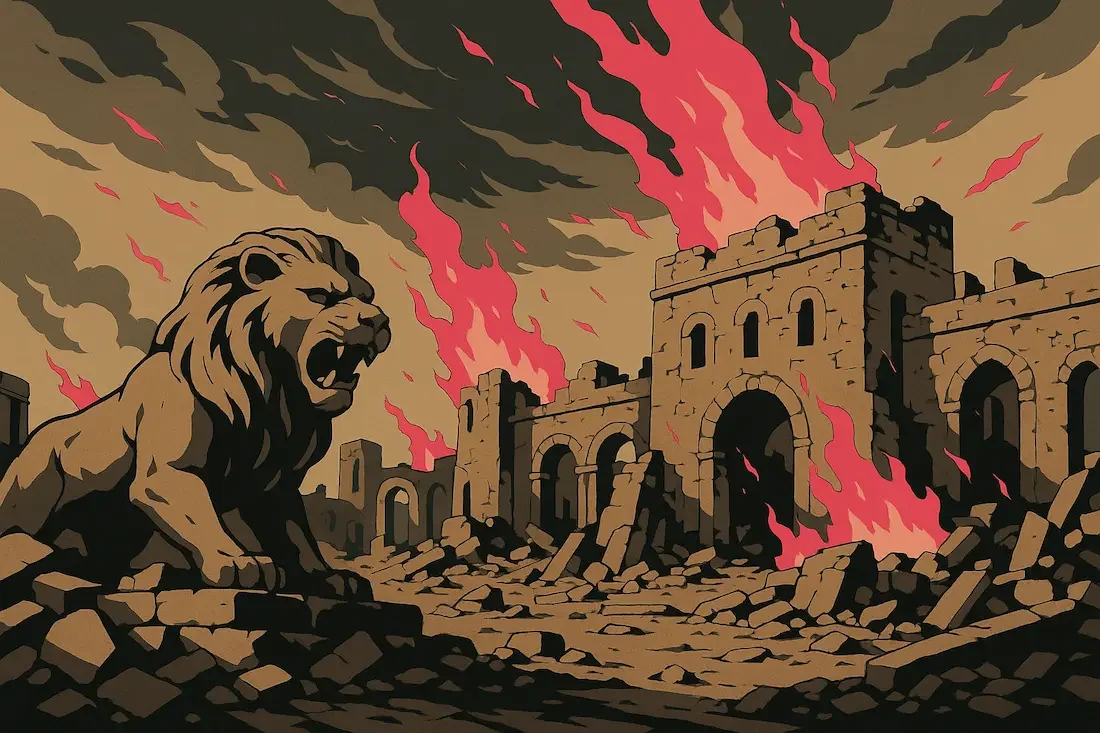
A Prophecy Announcing the Total Destruction of Wicked Nineveh.
THE VENGEANCE OF THE LORD:
Comfort Through the Downfall of the Oppressor
Lesson 35 of 66: The Book of Nahum
God's Fierce Vengeance: The Justice of the Lord
The Book of Nahum (whose name means "comfort") is a stunning contrast to the book of Jonah. While Jonah offered Nineveh a chance for repentance, Nahum, writing about 100 years later (c. 663–612 BC), prophesies their final, unavoidable doom. The Assyrian Empire, which had brutally dominated the ancient Near East, had long been the great enemy and oppressor of God's people. Nahum's prophecy serves as a powerful message of comfort and assurance to the struggling people of Judah that their cruel enemy would certainly fall.
I. The Character of God (Chapter 1)
The book begins with a magnificent theological poem that defines the character of the God who is about to judge Nineveh. Nahum reveals the dual nature of the Lord:
God is Jealous and Avenging: God is revealed as a "jealous and avenging God" who reserves wrath for His enemies (Nahum 1:2). This is not the petty vengeance of men, but a righteous, necessary act of bringing justice to a wicked world.
God is Good and a Stronghold: Yet, in the very next breath, the prophet affirms God's covenant love: “The Lord is good, a stronghold in the day of trouble; he knows those who take refuge in him.” (Nahum 1:7) The Lord's wrath against Nineveh is inextricably linked to His goodness and protection for Judah. What brings terror to the wicked brings comfort to the faithful.
The chapter ends with a direct word of comfort to Judah, promising that the oppressor will be cut off and the nation's feasts and celebrations can finally resume in peace.
II. The Detailed Description of Nineveh's Destruction (Chapters 2–3)
The remaining two chapters are a powerful, vivid, and highly detailed description of Nineveh's terrifying siege and final destruction. It reads like a battle report written by an eyewitness, using spectacular imagery to convey the chaos.
The Onslaught: Nahum describes the scarlet shields of the attacking Medo-Babylonian army, the chariots racing through the streets, and the sheer terror of the defense breaking down. The mighty city—which thought itself invincible—is rendered defenseless and emptied of its treasures.
The Reason for Ruin: The primary reason for Nineveh's doom is exposed: their ruthless cruelty, political treachery, and incessant violence. Nahum calls Nineveh the "bloody city, all full of lies and plunder" (Nahum 3:1). The judgment is a direct response to their crimes against humanity and their arrogance against God.
The Final Word: The prophet concludes with a chilling scene of Nineveh's downfall, declaring that its ruin is so deserved and so complete that “all who hear the news about you clap their hands over you. For upon whom has not your evil passed continually?” (Nahum 3:19)
Applying the Truth Today
Nahum is a necessary reminder that God is just and that no amount of military power, wealth, or political security can protect a nation or an individual from divine accountability for cruelty and sin. The book teaches the believer that we can rest assured that evil will not ultimately triumph. The righteous anger of God against sin is the ultimate guarantee of comfort and security for those who trust Him.
Reflection Questions for Your Journey:
Comfort and Justice. How does the knowledge that God will inevitably bring complete justice to the oppressors of the world bring comfort and strength to your faith today?
The Good Stronghold. In times of "trouble" or fear, how does Nahum 1:7 encourage you to view God? Are you relying on Him as your stronghold, or are you looking to temporary human solutions?
The End of Arrogance. What systems, people, or personal tendencies do you rely on that, like Nineveh's walls, give you a false sense of security and shield you from necessary repentance?
Your Reading Guide
To grasp the comfort of God’s justice, read the powerful summary of God’s character in Nahum 1:2–3, 7. Next, read the graphic imagery that confirms the inevitability of the wicked's fall in Nahum 3:1–5. Finally, read the message of final, secure peace for Judah in Nahum 1:15.