
Module 7: Major Prophets
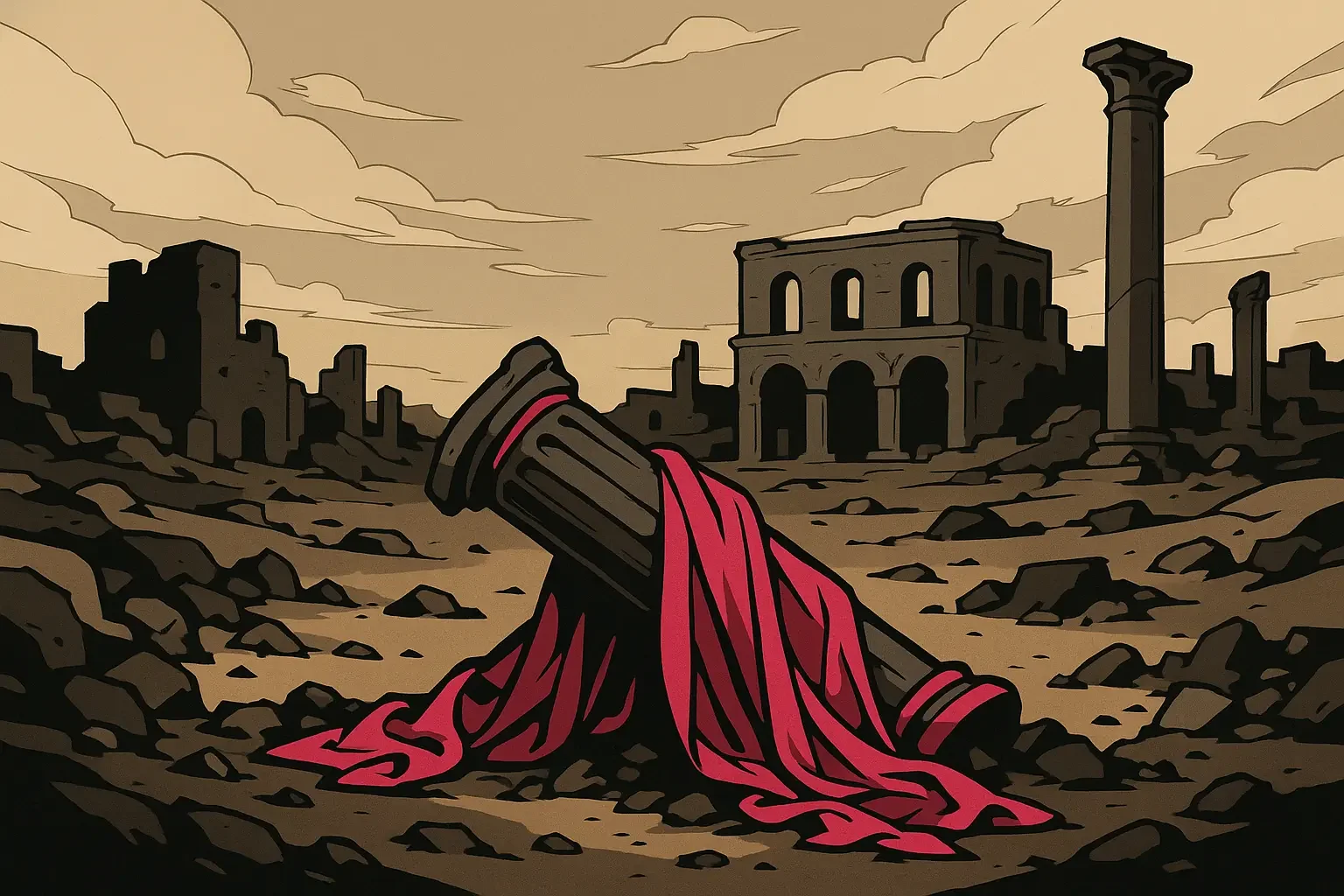
God's Final Call to Repentance Before the Judgment of Exile.
THE WEEPING PROPHET:
Unheeded Warnings and the Covenant of the Heart
Lesson 26 of 66: The Book of Jeremiah
The Broken Covenant: A New Law Written on the Heart
The Book of Jeremiah is the longest book in the Bible by word count and chronicles the deeply sorrowful ministry of the prophet Jeremiah. He ministered in Jerusalem for over forty years (c. 627–587 BC), during the reigns of Judah's last five kings. His primary, heart-wrenching message was that Babylonian destruction was God's inevitable judgment for Judah's persistent sin, particularly their refusal to abandon idolatry.
I. The Call and the Warning (Chapters 1–25)
Jeremiah's prophetic call was fraught with difficulty. God told him he would be sent to "pluck up and break down, to destroy and overthrow, to build and to plant" (Jeremiah 1:10). The early chapters are dominated by vivid imagery of God’s pending wrath—a "boiling pot" pouring from the north (Babylon)—and lamentations over the people's foolish choices.
Idolatry and Rebellion: Jeremiah relentlessly exposed Judah's sin, accusing them of abandoning the "fountain of living waters" for "broken cisterns that can hold no water" (Jeremiah 2:13). The people clung to false security, believing that because the Temple stood in Jerusalem, God would never allow the city to fall (the "Temple Sermon," Jeremiah 7).
The Unheeded Word: The prophet’s message was universally rejected. He was beaten, imprisoned, and plotted against. His personal anguish over the fate of his people earned him the title, "the weeping prophet." His message remained simple: Submit to Babylon, for this judgment is from God.
II. Historical Narratives and the Time of Calamity (Chapters 26–45)
This section documents the historical events leading up to and immediately following the destruction of Jerusalem in 586 BC. It includes the burning of Jeremiah's scroll by King Jehoiakim and the accounts of his life under siege and his eventual forced removal to Egypt after the city's fall.
The Yoke and the True Prophet: Jeremiah used a wooden yoke as a dramatic sign-act, symbolizing the necessary submission to Babylonian rule (Jeremiah 27:2). He constantly contended with false prophets who preached peace, reinforcing the truth that true prophecy is rooted in the covenant and often involves speaking hard, unpopular truths.
Hope in Exile: Even amidst the calamity, Jeremiah wrote a letter to the exiles already in Babylon, instructing them to build homes, plant gardens, and seek the welfare of the city where God had placed them. He gave them a future promise: “For I know the plans I have for you… plans for welfare and not for evil, to give you a future and a hope” (Jeremiah 29:11).
III. Restoration and the New Covenant (Chapters 30–33)
Known as the "Book of Consolation," this section contains Jeremiah's most glorious, forward-looking promises of restoration. The prophet looked beyond the 70 years of Babylonian captivity to a spiritual renewal far grander than any political return.
The New Covenant: Jeremiah prophesies the ultimate solution to the problem of human sin—a New Covenant to replace the old, broken one: “I will put my law within them, and I will write it on their hearts. And I will be their God, and they shall be my people” (Jeremiah 31:33). This promise is the pinnacle of Old Testament prophecy, ensuring a future where all God's people will inwardly and perfectly know Him, a covenant fulfilled in the work of Jesus Christ.
Applying the Truth Today
Jeremiah teaches us that God is utterly faithful to His covenant, both in judgment against sin and in the promise of ultimate restoration. The book challenges us to examine where we place our false security (e.g., in wealth, nationalism, or religious routine) instead of in a genuine relationship with God. Ultimately, it directs our hope away from earthly reform toward the radical, spiritual transformation offered through the New Covenant, which grants us the very ability to love and obey God from the heart.
Reflection Questions for Your Journey:
The Fountains. What "broken cistern" (a substitute for spiritual fulfillment) are you currently trying to draw satisfaction from, instead of relying on the "fountain of living waters" that is Christ?
Unpopular Truth. Jeremiah was required to deliver a message that put his life in danger. Is there a difficult, unpopular truth God has asked you to live by or speak to others? What courage do you need to follow his example?
The Heart's Law. How does the promise of the law being written on your heart (Jeremiah 31:33) change how you view God’s commands? Is obedience a burden, or a natural expression of your new nature in Christ?
Your Reading Guide
To grasp the central message, read the promise of hope in exile in Jeremiah 29:11–13. Next, read the prophet’s heartbreaking personal anguish in Jeremiah 20:7–10. Finally, read the greatest Messianic prophecy of the spiritual future in the New Covenant passage, Jeremiah 31:31–34.