
Module 8: Minor Prophets (The Largest Module)
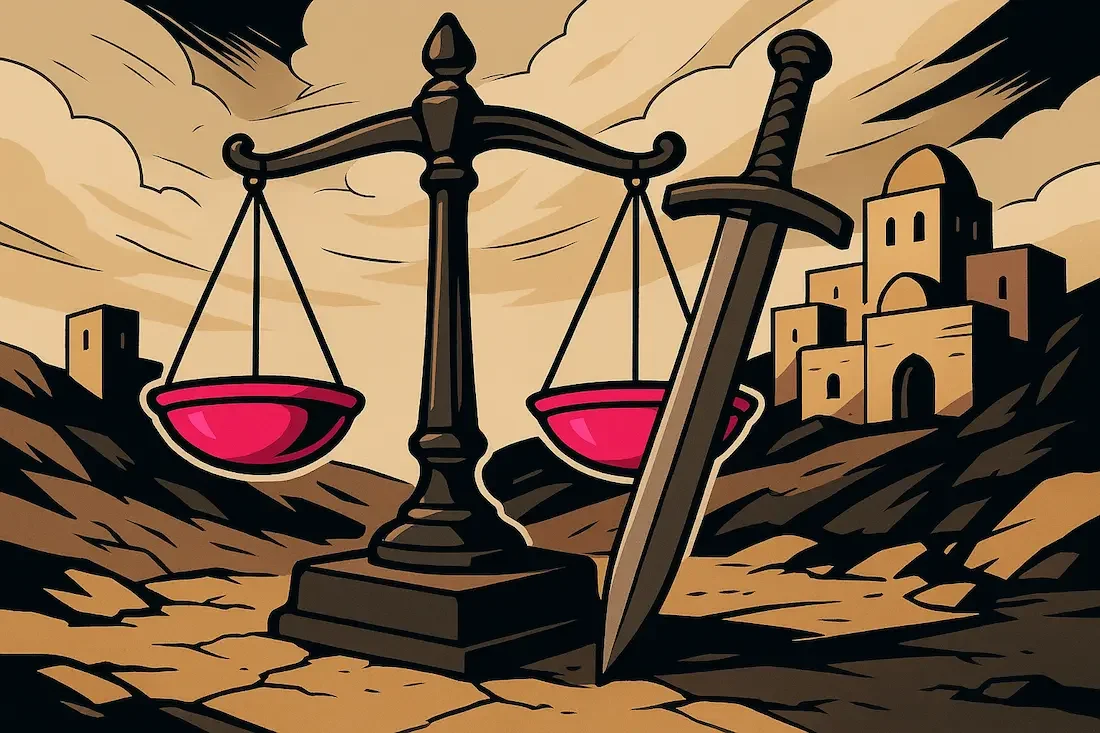
God's Demand for Righteous Living and the Prophecy of Bethlehem.
THE TRUE RELIGION:
Justice, Kindness, and Humble Walking
Lesson 34 of 66: The Book of Micah
What God Requires: The Heart of True Religion
The Book of Micah is a prophetic message delivered primarily to the Southern Kingdom of Judah (though he addresses both Israel and Judah) around the same time as Isaiah (c. 735–700 BC). Micah's perspective, however, is that of a country preacher, speaking on behalf of the common people and exposing the rampant corruption in the elite centers of power, particularly Samaria and Jerusalem. His core message is simple: God is just, and He demands social justice from His people.
I. Judgment on the Leaders (Chapters 1–3)
Micah begins with a message of impending doom, using vivid imagery to describe the coming judgment that will first fall upon Samaria (the capital of Israel) and then upon Jerusalem. The reason for the judgment is clear: the greed and violence of the nation's leaders, prophets, and priests.
Corrupt Authority: Micah specifically indicts the rulers who "hate the good and love the evil" and the prophets who preach only peace when they are paid to do so (Micah 3:2, 5). The wealthy elite are accused of stealing land and oppressing the poor until they are left with nothing.
The Shepherd's Warning: Micah declares that the shepherds (leaders) who feed themselves while scattering the flock will face severe divine punishment. The people are trusting in corrupt systems, but those systems are condemned to be destroyed.
II. Hope and the Promise of Zion (Chapters 4–5)
Just as the messages of judgment reach their peak, the prophecy shifts dramatically to a magnificent vision of future hope centered on Jerusalem (Zion) and the coming King.
Future Peace: Micah envisions a glorious future where the mountain of the house of the Lord will be established as the highest of the mountains, and people from all nations will stream to Jerusalem to learn God's Law. This vision includes universal disarmament and peace: “they shall beat their swords into plowshares, and their spears into pruning hooks” (Micah 4:3).
The Ruler from Bethlehem: To anchor this ultimate promise, Micah delivers one of the most famous Messianic prophecies in the entire Bible, pointing to the exact place of the Messiah’s birth:
“But you, O Bethlehem Ephrathah, who are too little to be among the clans of Judah, from you shall come forth for me one who is to be ruler in Israel, whose coming forth is from of old, from ancient days.” (Micah 5:2)
This passage confirms that God's ultimate solution to the problem of corrupt leadership is the humble birth of an eternal Ruler.
III. The Definition of True Religion (Chapters 6–7)
In the final section, God enters into a dramatic legal dispute (a rib) with His people. He reminds them of all He has done for them (the Exodus, the wilderness journey) and challenges them to state what they believe He requires.
The Supreme Requirement: The people offer massive sacrifices—thousands of rams, ten thousand rivers of oil, or even their firstborn children. God rejects all of it and offers the profound answer that summarizes all the Law and the Prophets:
“He has told you, O man, what is good; and what does the Lord require of you but to do justice, and to love kindness, and to walk humbly with your God?” (Micah 6:8)
True worship is not ritual, but ethical action and a humble, personal relationship with the Lord. The book concludes with a beautiful assurance of God's forgiveness, confirming that He "delights in steadfast love."
Applying the Truth Today
Micah is a timeless guide to Christian living. It clarifies that God requires wholeness—a commitment to righteousness that includes both private piety and public ethics. We are challenged to look beyond impressive religious acts and ask ourselves if we are actively pursuing justice for the marginalized and treating others with kindness. Ultimately, the prophecy of Bethlehem reminds us that the greatest solution for the world's corruption is found in the humble Savior who came to live out justice, kindness, and humility for us.
Reflection Questions for Your Journey
Justice and Kindness. In your daily life, how do you actively "do justice" (stand up for fairness) and "love kindness" (show genuine mercy and compassion)? Are you performing both?
Humble Walking. What does it look like for you, personally, to "walk humbly with your God"? Does it involve listening more, speaking less, or admitting your dependence on Him?
The Bethlehem Prophecy. How does the Messianic promise in Micah 5:2 ground your faith, knowing that God foretold the exact, humble circumstances of the Savior's birth centuries in advance?
Your Reading Guide
To grasp the central requirement of true faith, read the foundational text in Micah 6:8. Next, read the great prophecy concerning the Savior's birthplace in Micah 5:2–4. Finally, read the assurance of God's boundless forgiveness in Micah 7:18–20.